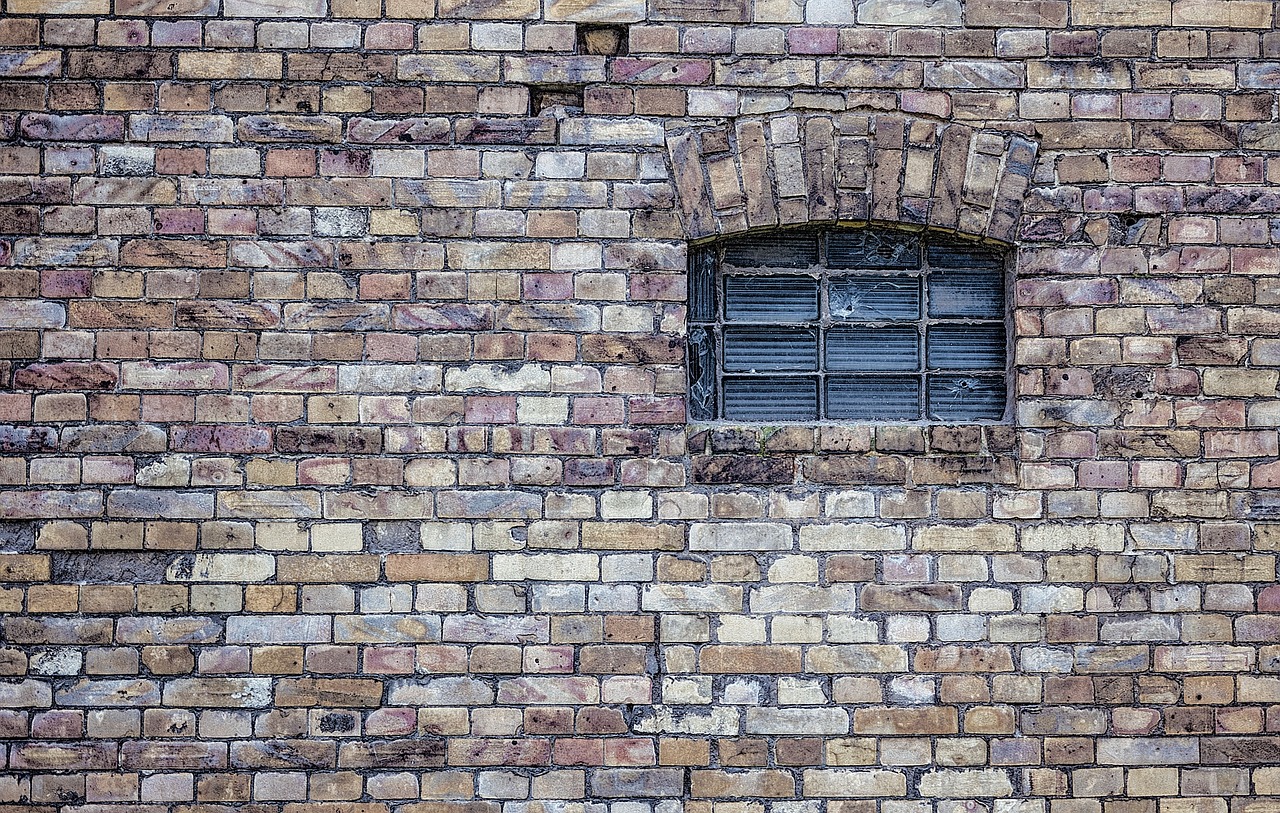
Masonry construction has been around for thousands of years and has been used in various architectural styles, from ancient civilizations to modern buildings. Besides being a visually appealing and durable material, masonry construction has many environmental benefits that make it a popular choice among builders and architects. This article will discuss some of the environmental benefits of masonry construction.
Masonry is a sustainable building material that has been used for centuries. It is made from natural materials such as stone, brick, and concrete, which are locally sourced and readily available. These materials do not require any additional energy to be manufactured, unlike other building materials like steel, which requires a significant amount of energy to produce. Furthermore, masonry materials are durable and long-lasting, which means they require less maintenance and replacement over time. This durability makes masonry construction a sustainable choice for building owners and developers.
Masonry construction has several energy-efficient features that make it an environmentally-friendly choice. One of these features is the high thermal mass of masonry materials. Thermal mass refers to the ability of a material to absorb, store, and release heat. Masonry materials have a high thermal mass, which means they can absorb heat during the day and release it at night, helping to regulate the temperature inside a building. This property reduces the need for mechanical heating and cooling systems, reducing the building’s energy consumption and carbon footprint.
Masonry construction also provides excellent insulation, which helps to reduce energy consumption further. Masonry walls have high R-values, which refers to the ability of a material to resist heat flow. This property means that masonry walls can trap heat inside a building, reducing the need for additional heating systems. Additionally, masonry construction can also provide good sound insulation, reducing noise pollution.
Masonry construction is also highly resistant to fire, which is another environmental benefit. Masonry materials do not burn, which means they can prevent the spread of fire between buildings, reducing the risk of a widespread fire outbreak. This property is particularly useful in urban areas, where buildings are densely packed and a fire can quickly spread to neighboring buildings.
The use of masonry construction in buildings can also help to reduce the urban heat island effect. Urban heat islands are areas where the temperature is higher than surrounding rural areas due to human activity, such as the use of dark, heat-absorbing materials in buildings and roads. Masonry materials, on the other hand, have a high albedo, which refers to the ability of a material to reflect sunlight. Masonry materials reflect sunlight, reducing the amount of heat absorbed by buildings, and contributing to lower urban temperatures.
Masonry construction also has low embodied energy, which refers to the amount of energy required to manufacture and transport building materials. Masonry materials are locally sourced, reducing transportation costs and emissions. Furthermore, masonry materials do not require additional energy to manufacture, reducing the overall embodied energy of a building. The low embodied energy of masonry construction makes it an environmentally-friendly choice for builders and developers.
Another environmental benefit of masonry construction is its ability to withstand natural disasters such as earthquakes and hurricanes. Masonry walls have high compressive strength, meaning they can resist the lateral forces generated by these disasters. This property reduces the need for rebuilding and repairs, saving energy and resources.
- Finally, masonry construction is a recyclable material, which means that it can be repurposed and reused in new construction projects. Masonry materials can be crushed and used as aggregate in new concrete or as fill material. This recycling reduces the amount of waste generated from construction projects and reduces the need for new building materials, reducing the carbon footprint of new construction.
The environmental benefits of masonry construction are not only limited to new buildings. Retrofitting existing buildings with masonry materials can also provide similar benefits. Masonry materials can be used to add insulation to existing walls, reducing energy consumption and improving comfort levels inside the building. Furthermore, retrofitting with masonry materials can also provide added durability and fire resistance to older buildings, ensuring their longevity and safety.
However, it is worth noting that masonry construction does have some environmental drawbacks that must be considered. The production of cement, a key ingredient in many masonry materials, is responsible for significant carbon emissions. Furthermore, the extraction of natural resources for masonry materials can have negative environmental impacts, such as soil erosion and habitat destruction. To mitigate these impacts, sustainable extraction practices and the use of alternative, lower-emission cement formulations are being developed.
In conclusion, masonry construction has many environmental benefits that make it an attractive choice for builders and developers seeking sustainable building practices. Its durability, energy efficiency, fire resistance, ability to reduce urban heat island effects, low embodied energy, ability to withstand natural disasters, and recyclability all contribute to a reduced environmental impact. However, it is important to continue to develop sustainable practices to mitigate the negative environmental impacts associated with masonry construction. By considering the environmental impact of our building materials and practices, we can move towards a more sustainable built environment.