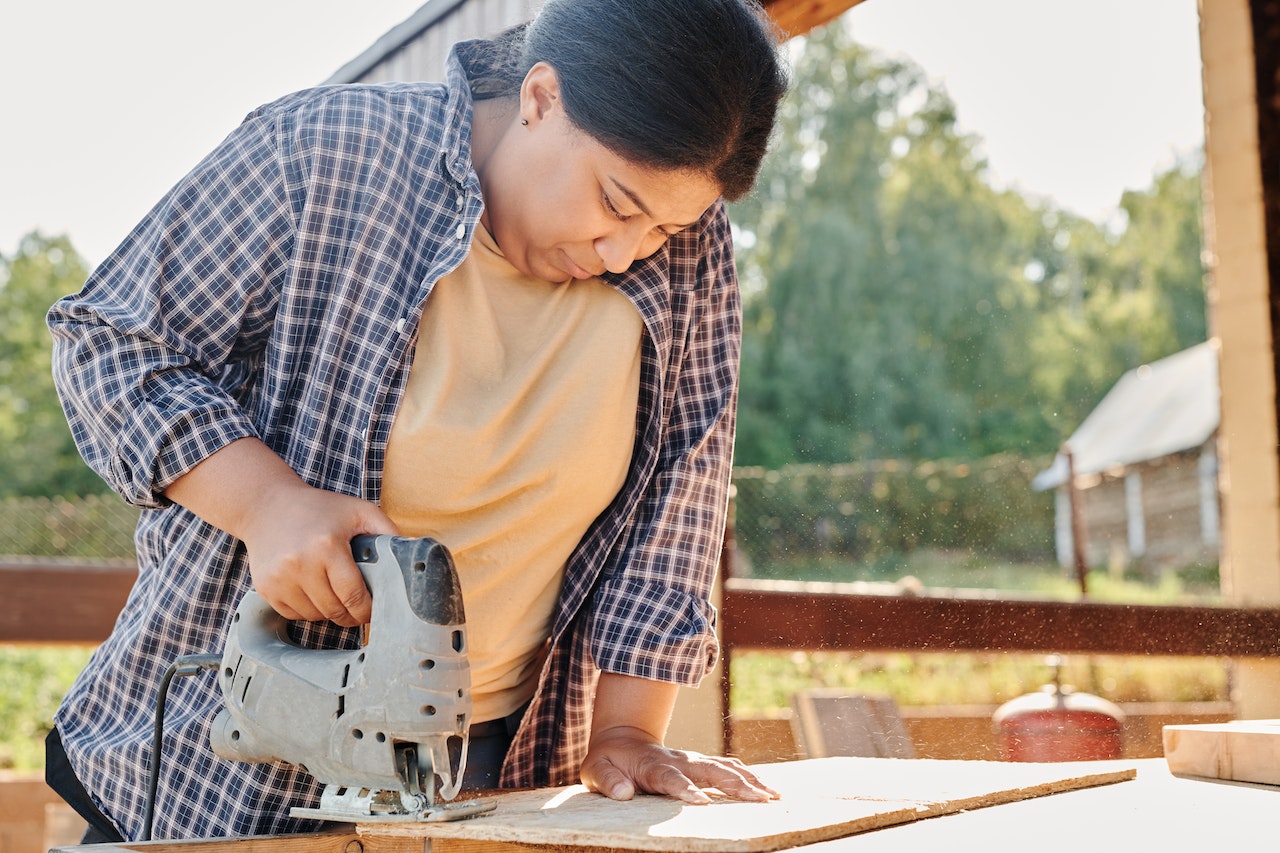
The creation and upkeep of our built environment is the responsibility of the construction sector, a significant contributor to the global economy. Nevertheless, despite its considerable contribution, the sector still has problems with inclusion and diversity, especially when it comes to women.
Alarming figures on the underrepresentation of women in the construction business were disclosed by a recent research by the National Association of Women in Construction (NAWIC). The survey found that women only make up 9% of the construction workforce, a percentage that has not altered in more than two decades. The survey also revealed that women frequently had to accept lower-paying jobs and encounter considerable obstacles to career development.
The results of this study are especially alarming in light of the expanding need for qualified laborers in the construction sector. It is crucial for the sector to be able to draw in and keep a competent staff as it expands and changes. The future of the sector may suffer significantly if this is not done.
Why then do women still make up such a small percentage of the construction workforce? The idea that men mostly work in construction is one of the key causes. This impression may deter women from entering the construction sector and may make it challenging for them to be successful if employed there. In addition, considerable barriers for women in the construction industry, such as harassment and discrimination, that can make it difficult to advance their careers.
Despite these difficulties, there are several reasons why women should think about working in the construction industry. For starters, the sector provides a wide range of employment options, from managerial and engineering positions to skilled crafts like carpentry and electrical labor. Additionally, the development of new technologies and techniques is a constant in the dynamic and quickly expanding construction business. Women in the construction sector have the chance to lead these advancements and contribute to the industry’s continued development.
What therefore can be done to encourage more inclusion and diversity in the construction sector? Realizing there is a problem and deciding to fix it is the first step. This entails recognizing the obstacles that women encounter and making an effort to overcome them. It also entails fostering an atmosphere of respect and inclusion within the sector, ensuring that women are treated equally, and ensuring that they have access to the same opportunities as men.
Increasing chances for women to enter the construction sector is a crucial approach for fostering greater diversity and inclusion. Initiatives like mentoring programs, apprenticeships, and training programs with a focus on women can help with this. Additionally, companies can work to create more welcoming and supportive work environments that encourage women to pursue careers in construction.
Another tactic is to increase public knowledge of the advantages of inclusion and diversity in the building sector. According to research, diverse teams are more creative and productive, and varied workplaces often result in more successful businesses. By emphasizing these advantages, we may inspire more businesses to give diversity and inclusion a high priority and to take active measures to advance them.
In a nutshell it is critical to address the issue of women’s underrepresentation in the construction sector. We can build a more fair and prosperous construction sector that is better able to serve the needs of our communities by encouraging more diversity and inclusion in the sector. All industry participants will need to work together on this, including businesses, trade associations, and decision-makers. But if we band together, the building sector can have a better, more inclusive future.