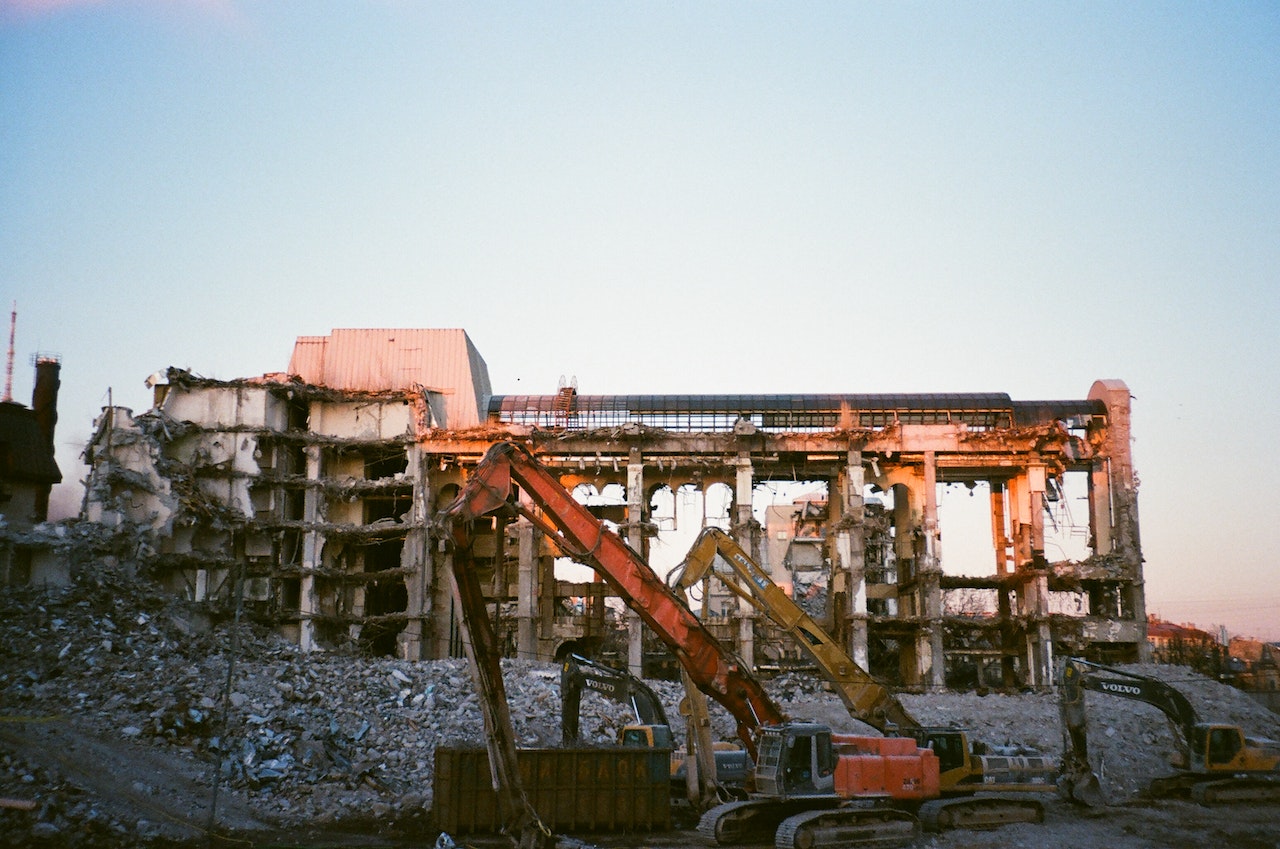
Demolition is a complex process that requires careful planning, execution, and management. Whether you’re tearing down a small shed or a massive high-rise, proper planning is essential to ensure that the project is completed safely, efficiently, and in compliance with all relevant regulations and standards. As a building owner, you have a responsibility to plan and execute the demolition process in a manner that protects the health and safety of workers, the public, and the environment. In this article, we’ll discuss the key considerations and challenges that building owners must address when planning for demolition.
Assessing the Building and Site
Before you begin the demolition process, it’s important to thoroughly assess the building and site to identify any potential hazards or obstacles that may impact the project. This assessment should include a detailed inspection of the building’s structure, foundation, and materials, as well as an evaluation of the site’s location, accessibility, and surrounding infrastructure. Some of the key factors to consider during this assessment may include:
- The type and condition of the building materials (e.g., asbestos, lead paint, etc.)
- The presence of underground utilities or hazardous materials
- The structural integrity of the building and any adjacent structures
- The location of nearby buildings, roads, and other infrastructure
- The accessibility of the site for equipment and personnel
Once you have completed this assessment, you can use the information gathered to develop a detailed demolition plan that addresses any potential hazards or challenges.
Developing a Demolition Plan
A comprehensive demolition plan is critical to ensuring that the project is completed safely and efficiently. This plan should outline the specific steps and procedures that will be used during each stage of the demolition process, including site preparation, removal of hazardous materials, dismantling of the building, and site restoration. Some of the key considerations that should be addressed in your demolition plan may include:
- The type and scope of demolition (e.g., total demolition, partial demolition, etc.)
- The method of demolition (e.g., manual demolition, implosion, etc.)
- The order of demolition (e.g., top-down, bottom-up, etc.)
- The equipment and machinery that will be used (e.g., excavators, bulldozers, etc.)
- The safety protocols and procedures that will be implemented to protect workers and the public
- The environmental impact of the demolition and strategies for minimizing this impact
- The cost and timeline for the project
It’s important to note that developing a demolition plan can be a complex and time-consuming process, particularly for larger or more complex projects. Building owners should consider working with experienced demolition contractors or consultants to ensure that the plan is comprehensive and effective.
Obtaining Permits and Regulatory Approval
Demolition projects are subject to a wide range of local, state, and federal regulations and permits. Building owners must obtain all necessary permits and approvals before beginning the demolition process, and failure to do so can result in significant fines and legal penalties. Some of the key permits and approvals that may be required for a demolition project may include:
- Building permits
- Environmental permits (e.g., air quality, water quality, etc.)
- Demolition permits
- Asbestos abatement permits
- Hazardous materials removal permits
- Noise permits
Building owners should work closely with local and state regulatory agencies to ensure that all necessary permits and approvals are obtained in a timely and compliant manner.
Managing Demolition Waste
Demolition projects generate a significant amount of waste, including building debris, hazardous materials, and other materials that must be properly disposed of or recycled. Building owners have a responsibility to manage this waste in an environmentally responsible manner, and failure to do so can result in fines and legal penalties. Some of the key considerations for managing demolition waste may include:
- Developing a waste management plan that outlines how waste will be collected, transported, and disposed of or recycled
- Identifying recycling and reuse opportunities for materials such as concrete, wood, and metal
- Ensuring that hazardous materials are properly identified, removed, and disposed of in accordance with all relevant regulations and standards
- Working with waste management companies or contractors to ensure that waste is transported and disposed of in compliance with all relevant regulations and standards
- Monitoring and reporting on waste management activities to ensure that they are carried out in a safe and responsible manner
Building owners should also consider the potential cost savings associated with recycling and reusing materials. In some cases, materials that are salvaged from a demolition project can be sold or reused, reducing the overall cost of the project.
Managing Project Risk
Demolition projects can be inherently risky, with potential hazards ranging from structural collapse to hazardous material exposure. Building owners have a responsibility to manage these risks and ensure that the project is carried out safely and efficiently. Some of the key strategies for managing project risk may include:
- Developing a detailed safety plan that outlines specific protocols and procedures for protecting workers and the public
- Providing appropriate training and equipment for workers to ensure that they are able to carry out their duties safely
- Conducting regular safety inspections and audits to identify and address potential hazards
- Implementing quality control measures to ensure that the project is completed to a high standard
- Developing contingency plans to address unexpected challenges or obstacles that may arise during the project
Building owners should also consider the potential legal and financial risks associated with demolition projects. Working with experienced contractors, consultants, and legal professionals can help to mitigate these risks and ensure that the project is completed in compliance with all relevant regulations and standards.
Conclusion
Demolition is a complex and challenging process that requires careful planning and execution. As a building owner, you have a responsibility to ensure that the project is carried out safely, efficiently, and in compliance with all relevant regulations and standards. By assessing the building and site, developing a comprehensive demolition plan, obtaining necessary permits and regulatory approvals, managing demolition waste, and managing project risk, you can help to ensure that your demolition project is a success. With careful planning and attention to detail, you can achieve your demolition goals while protecting the health and safety of workers, the public, and the environment.