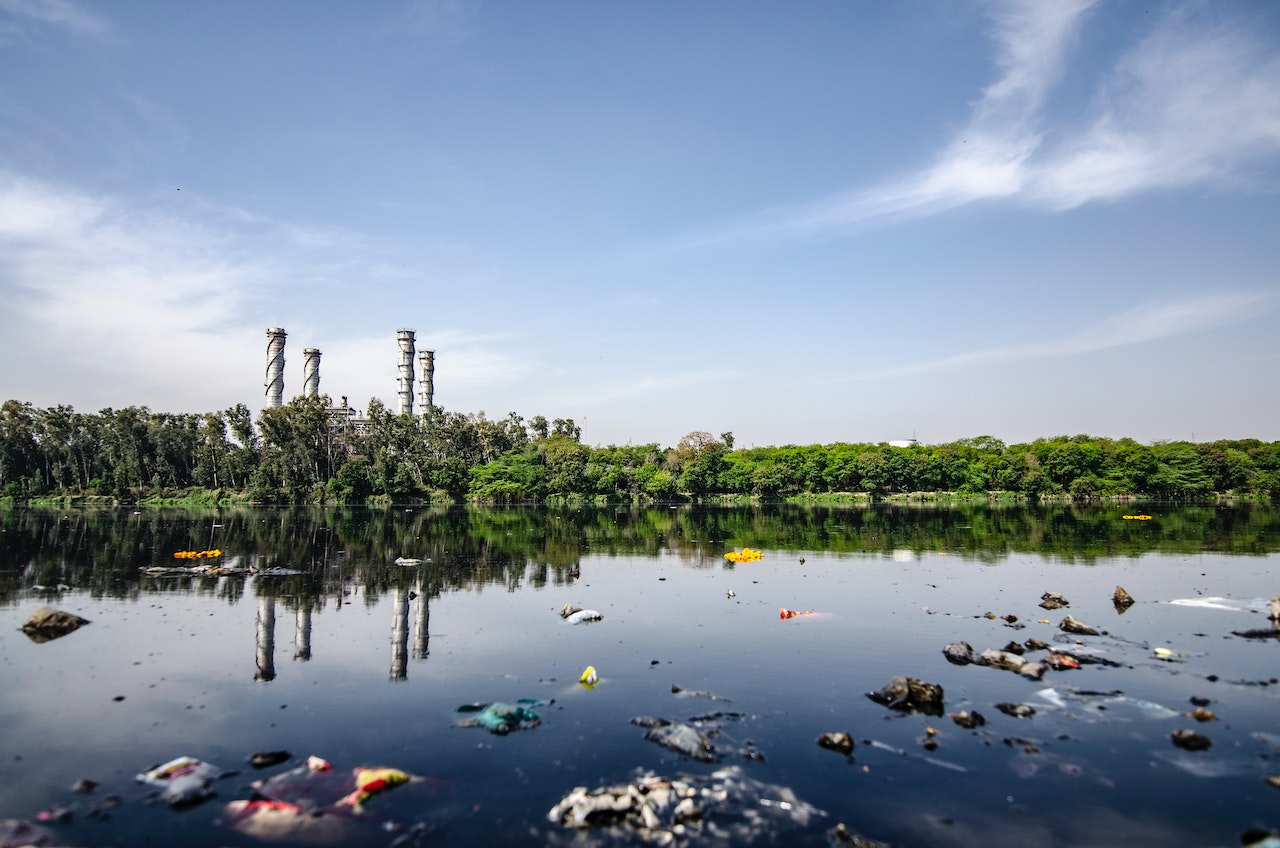
The world’s oceans are facing a significant environmental challenge: pollution caused by large debris. Large debris refers to items like abandoned fishing gear, plastic bags, and bottles, shipping containers, and even entire boats that have been discarded or lost at sea. These items pose a threat to marine life, habitats, and ecosystems and can also impact human health and safety. In this article, we will explore the urgent need to remove large debris from our oceans and the challenges involved in this process.
The Impacts of Large Debris on Marine Life
Large debris in the ocean can pose a significant threat to marine life. Animals such as sea turtles, whales, and birds can become entangled in fishing gear, and fishing nets and ropes can cause serious injuries or even death. Plastic bags and other plastic debris can be mistaken for food and ingested, causing choking, suffocation, and digestive blockages. Additionally, large debris can damage coral reefs and other sensitive habitats, reducing the diversity and abundance of marine life in these areas.
The Impacts of Large Debris on Ecosystems
Large debris can also have significant impacts on ocean ecosystems. The accumulation of debris can alter the physical and chemical characteristics of the water, which can impact the survival and reproduction of marine organisms. For example, when plastic debris breaks down into smaller pieces, it can release harmful chemicals into the water, which can disrupt the endocrine systems of marine organisms and affect their reproductive health. The accumulation of debris can also create dead zones, where oxygen levels are so low that marine life cannot survive.
The Impacts of Large Debris on Human Health and Safety
Large debris in the ocean can also impact human health and safety. Abandoned fishing gear can damage propellers and other equipment on boats, creating hazardous conditions for sailors. Additionally, large debris can wash up on shore and create hazards for beachgoers, such as broken glass, rusty metal, and sharp edges. The accumulation of debris can also impact the tourism industry, as visitors are less likely to visit beaches and other coastal areas that are polluted with debris.
The Challenges of Large Debris Cleanup
Cleaning up large debris from the ocean is a challenging and costly process. The vast size of the oceans and the remote locations of many debris fields make it difficult to locate and remove large debris. Additionally, the physical and chemical characteristics of the debris can make it challenging to remove. For example, plastic debris can break down into smaller and smaller pieces, making it difficult to remove from the water.
There are also financial and logistical challenges involved in large debris cleanup. The cost of cleanup efforts can be significant, and it can be difficult to secure funding for these efforts. Additionally, the process of removing large debris can be dangerous and requires specialized equipment and personnel, which can be difficult to access in remote locations.
Efforts to Remove Large Debris from the Ocean
Despite the challenges involved, there are several efforts underway to remove large debris from the ocean. One such effort is the Ocean Cleanup project, which is a non-profit organization that is working to develop and deploy advanced technologies to remove plastic debris from the ocean. The organization has developed a floating system that uses natural ocean currents to capture and concentrate plastic debris, which can then be collected and removed from the water.
Another effort is the Global Ghost Gear Initiative, which is a partnership between industry, government, and non-governmental organizations that is working to address the issue of abandoned fishing gear in the ocean. The initiative focuses on prevention, removal, and recycling of abandoned fishing gear and aims to reduce the amount of gear that enters the ocean in the first place.
Individuals can also make a difference in large debris cleanup efforts by participating in beach cleanups and reducing their own use of single-use plastics. By reducing the amount of plastic that enters the ocean, we can help to reduce the amount of large debris that accumulates in the ocean. Additionally, supporting organizations that focus on large debris cleanup, such as the Ocean Cleanup project and the Global Ghost Gear Initiative, can help to fund and promote these important efforts.
Conclusion
In conclusion, the urgent need to remove large debris from our oceans cannot be overstated. The impacts of large debris on marine life, ecosystems, and human health and safety are significant and cannot be ignored. Despite the challenges involved in large debris cleanup, there are efforts underway to address this issue, including the development of advanced technologies and partnerships between industry, government, and non-governmental organizations. Individuals can also make a difference by participating in beach cleanups and reducing their use of single-use plastics. By working together, we can make a difference in the health of our oceans and the planet as a whole.