Demolition techniques have evolved significantly over the years, from traditional manual methods to modern technology-driven approaches. In this article, we will compare and contrast traditional demolition techniques with modern approaches, examining their benefits, drawbacks, and impact on safety, efficiency, and environmental sustainability.
Traditional Demolition Techniques
Traditional demolition techniques typically involve manual labor and handheld tools such as hammers, chisels, and wrecking balls. They are often slower, more labor-intensive, and less precise than modern approaches. However, they are still used in some cases, particularly in smaller projects or in situations where there are access constraints.
Manual Demolition
Manual demolition is the most basic and straightforward method of demolition. It involves the use of handheld tools such as hammers, chisels, and saws to remove structures piece by piece. This technique is typically used for smaller structures and in situations where precision is required. Manual demolition can be time-consuming and labor-intensive, requiring a skilled workforce to carry out the work.
Wrecking Ball
The wrecking ball is a large, heavy ball attached to a crane. It is swung back and forth to strike the structure, causing it to collapse. This technique is typically used for larger structures, such as buildings and bridges. The drawback of this technique is that it can be imprecise and cause collateral damage, particularly to surrounding structures.
Explosive Demolition
Explosive demolition involves the use of explosives to collapse a structure. This technique is typically used for tall buildings and other large structures. Explosive demolition can be a quick and efficient method of demolition but requires careful planning, expertise, and safety precautions. It also produces a significant amount of dust and debris, which can be hazardous to the environment and surrounding structures.
Modern Demolition Techniques
Modern demolition techniques involve the use of advanced technology, machinery, and equipment to demolish structures quickly, safely, and efficiently. They are often more precise, less labor-intensive, and less damaging to the environment than traditional techniques. They have become increasingly popular in recent years, particularly in larger projects or situations where time and efficiency are critical factors.
Mechanical Demolition
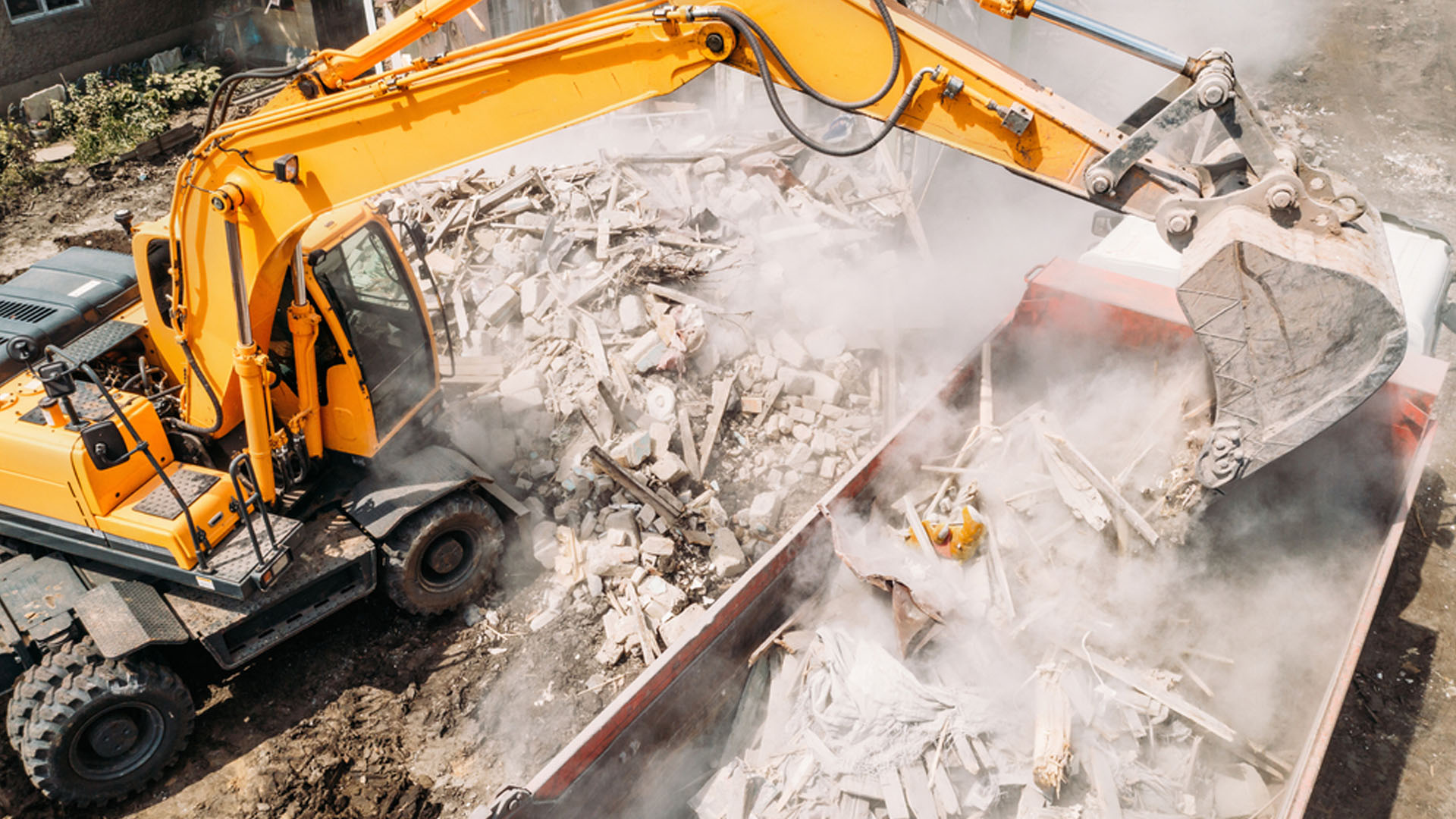
Mechanical demolition involves the use of machinery such as excavators, bulldozers, and cranes to demolish structures. These machines are equipped with hydraulic shears, breakers, and crushers that can cut through concrete and steel with precision. Mechanical demolition is often faster and more efficient than manual demolition, requiring fewer workers and less time.
Selective Demolition
Selective demolition is a modern technique that involves the careful removal of specific parts of a structure, leaving the rest intact. This technique is often used when the structure is being renovated or repurposed, and only certain parts need to be removed. Selective demolition can be more environmentally friendly and cost-effective than full demolition.
Implosion Demolition
Implosion demolition is a modern technique that involves the controlled collapse of a structure inward, using explosives strategically placed throughout the structure. This technique is often used in urban areas where space is limited, and the structure needs to collapse vertically without damaging surrounding structures. Implosion demolition requires careful planning, expertise, and safety precautions, but it can be a quick and efficient method of demolition.
Comparison of Traditional and Modern Techniques
Traditional demolition techniques tend to be slower, more labor-intensive, and less precise than modern techniques. They can also be more damaging to the environment and surrounding structures. However, traditional techniques are often more accessible and can be used in situations where modern equipment is not available or access is limited.
Modern demolition techniques, on the other hand, tend to be faster, more precise, and less damaging to the environment and surrounding structures. They require less labor and are often more cost-effective. However, modern techniques require specialized equipment and expertise, which can make them less accessible and more expensive than traditional techniques.
One of the most significant advantages of modern demolition techniques is safety. Traditional demolition techniques often require workers to work at heights and in dangerous environments, increasing the risk of accidents and injuries. Modern techniques, on the other hand, can be performed remotely, reducing the risk of injury to workers.
In addition, modern demolition techniques are more environmentally sustainable. They produce less dust and debris, reducing the amount of waste generated during the demolition process. This is especially important in urban areas where air quality is a concern.
Another advantage of modern demolition techniques is precision. Selective demolition and mechanical demolition, in particular, allow for the precise removal of specific parts of a structure without damaging the rest. This can be important in situations where only certain parts of a structure need to be removed, such as in renovation projects.
However, modern demolition techniques also have their drawbacks. They require specialized equipment and expertise, which can make them more expensive than traditional techniques. In addition, they may not be suitable for all types of structures or environments. For example, implosion demolition may not be possible in areas where there are significant population or environmental concerns.
Conclusion
In conclusion, while traditional demolition techniques continue to play a role in some situations, modern techniques have become increasingly popular due to their safety, efficiency, and environmental sustainability. Mechanical demolition, selective demolition, and implosion demolition are just a few examples of modern techniques that have revolutionized the demolition industry.
As technology continues to advance, it is likely that new and even more efficient demolition techniques will be developed. However, it is important to ensure that these techniques are safe, environmentally sustainable, and appropriate for the structures and environments in which they are used.